
Our Maritime Story & History
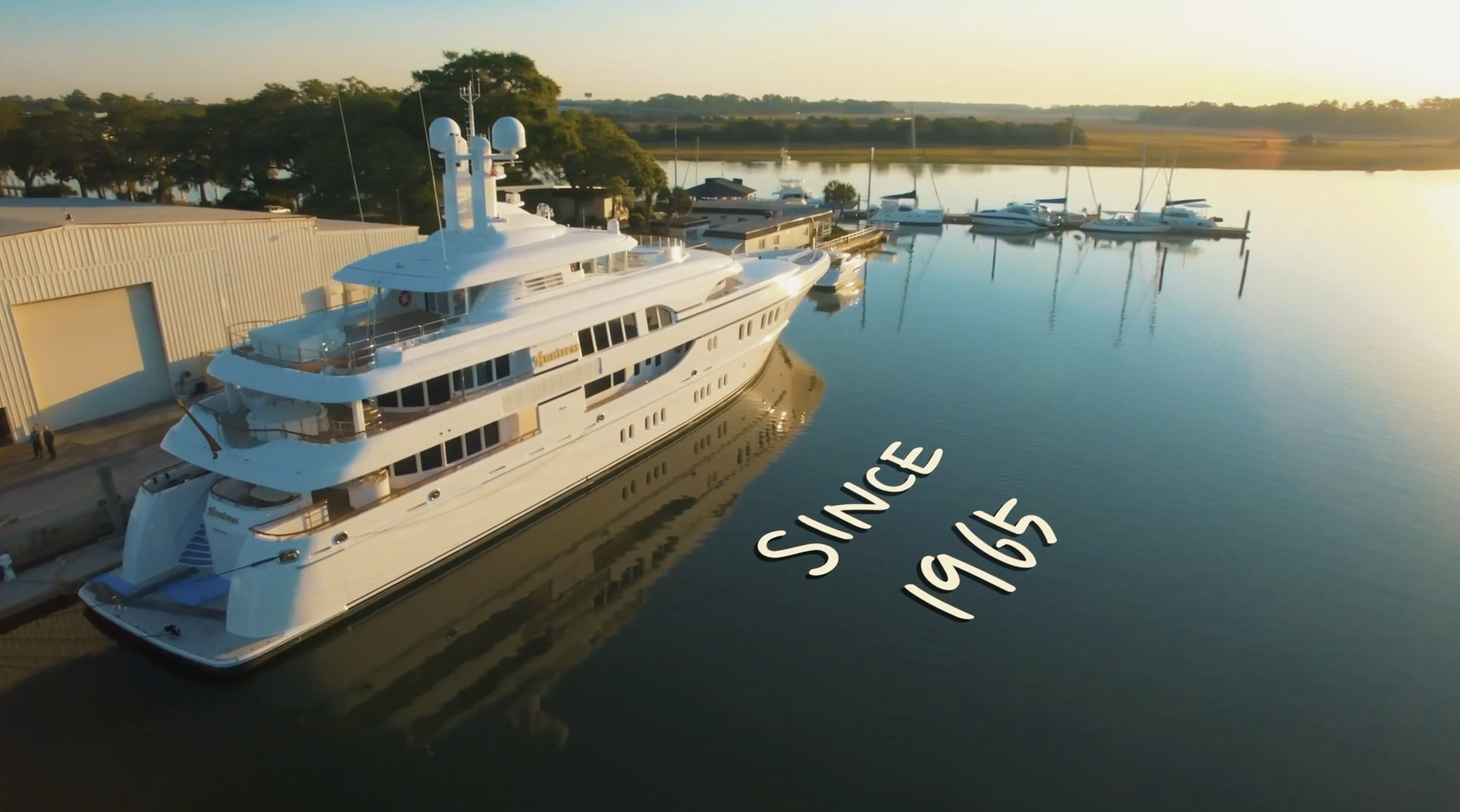
From Civil War battery to WWII rescue station to premier 25-acre yacht repair facility — serving captains and owners on the Wilmington River since 1965.
A Legacy Built on Craftsmanship
Located in a quiet, non-commercial neighborhood just three miles southeast of historic downtown Savannah, Thunderbolt Marine brings together skilled craftsmen, accomplished tradesmen, and modern shipyard engineering.
We strive to exceed customer expectations by providing dedicated service in a family atmosphere. Customer satisfaction is our primary goal.
Heritage
From the Civil War Thunderbolt Battery to today's 25-acre service yard — the documented history of the property and yard.
Ft. Thunderbolt Civil War Battery
Fort Thunderbolt (Thunderbolt Battery) stood on this 25-acre river site as part of a chain of Civil War inland waterway defenses.
Asa Candler Jr. Boat Basin
Boat basin established by Asa Candler Jr. (son of Coca-Cola's founder) as the home port for his personal yacht.
WWII US Army Rescue Boat Station
Used as a military Rescue Boat Station for Third Air Force offshore patrol and rescue vessels out of Hunter Field.
W.E. Honey & Latex Construction Purchase
W.E. Honey purchased the 25-acre site to support dredging operations. Thunderbolt Marina began in 1969 with Savannah's first dry-stack boat storage.
Syncrolift & Commercial Shipyard
Erected the Syncrolift elevator system, rail transfer pit, and built tugs, fireboats, and barges (including tractor tugs for the Panama Canal Company). Name updated to Thunderbolt Marine Industries in 1981.
Thunderbolt Marine Inc. Incorporation
Thunderbolt Marine Inc. (TMI) was officially incorporated in 1985, undertaking various marine construction and dredging projects.
Lockheed & Palmer Johnson Leases
Leased by Lockheed/Trinity Marine Group (1986–1991, building US Army LCU landing craft) and later Palmer Johnson Yachts (1992–Sept 2003, accomplishing luxury yacht refits).
Bill Honey Resumes Full Service Operations
Bill Honey, son of founder W.E. Honey, resumed full-service operations for yacht repair, maintaining in-house trade shops under one roof.
Climate-Controlled Service Building & Paint Sheds
In 2009 TMI moved shops and offices to newly renovated north buildings. In 2010, construction began on the main vessel service building including three fully enclosed service/prep bays and state-of-the-art spray booth.
Overhead Gantry Cranes, Crew Lounge & Paint Shed Article
Completed installation of overhead gantry cranes in all bays and opened the dedicated Crew Lounge. On March 30, 2015, Judy Salzman published 'World Class Paint Sheds' highlighting the facility in Yacht Essentials.
Small-Part Spray Booths, 70-Ton Crane & Floating Docks
Added three automotive-size paint booths, a 70-ton mobile crane, CNC machining, and expanded floating docks to over 5,300 linear feet in the basin and marina.
Documented History of the Property & Yard
Complete historical narrative preserved from official records, dating back to Ft. Thunderbolt in Civil War time.
Thunderbolt Marine Inc (TMI) is located on a 25 acre site on the Wilmington River three miles southeast of Savannah, tucked away in a non-commercial neighborhood in an area which enjoys a rich history of seafaring tradition. In the 1800s Ft. Thunderbolt, also known as Thunderbolt Battery stood on the site, serving as one of a string of inland waterway batteries during the US Civil War. The current boat basin was originally established in 1939 by Asa Candler Jr., son of the founder of Coca-Cola, as a home port for his personal yacht. From 1942 the basin was used by the US Army during World War II as a Rescue Boat Station for offshore patrol and rescue vessels as part of the Third Air Force Staging wing at Hunter Field, continuing as a military installation until the mid-fifties.
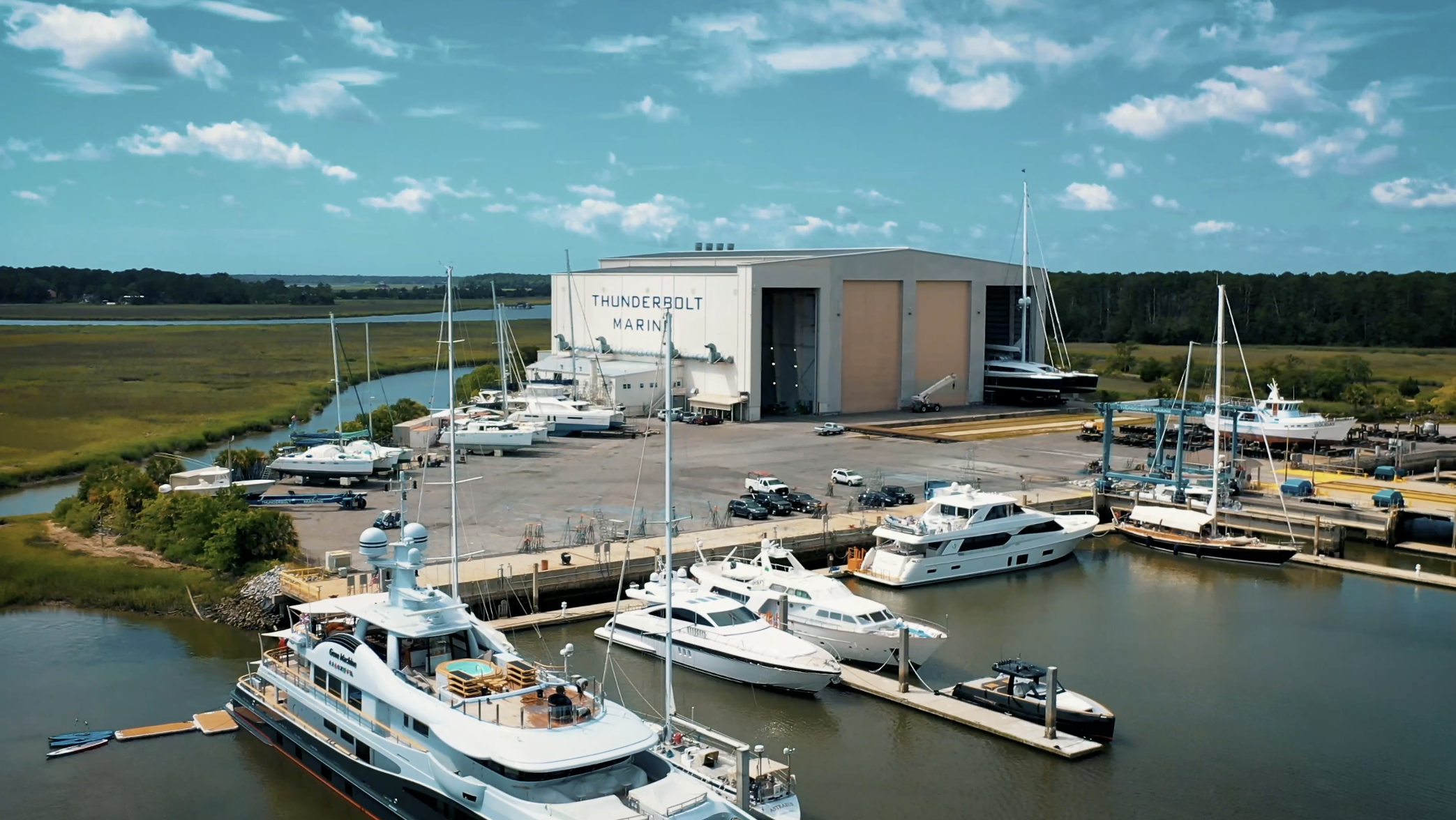
W.E. Honey and Latex Construction Company purchased the property in 1965 to support its dredging operations. In 1969 Thunderbolt Marina started operations and erected the first dry-stack boat storage building in this area. Thunderbolt Marina also sold runabouts and outboard engines. In the late 1960's Thunderbolt Marine developed as a first-class yacht repair facility with the Syncrolift and rail system that is still in use today. The company eventually shifted to commercial and government vessel construction and repair, building tug fireboats and barges. In 1981 the company name changed to Thunderbolt Marine Industries to better reflect the broader scope of marine work being accomplished. Three tractor tugs were constructed for the Panama Canal Company. Thunderbolt Marine Inc. (TMI) was incorporated in 1985 and undertook various marine construction and dredging projects.
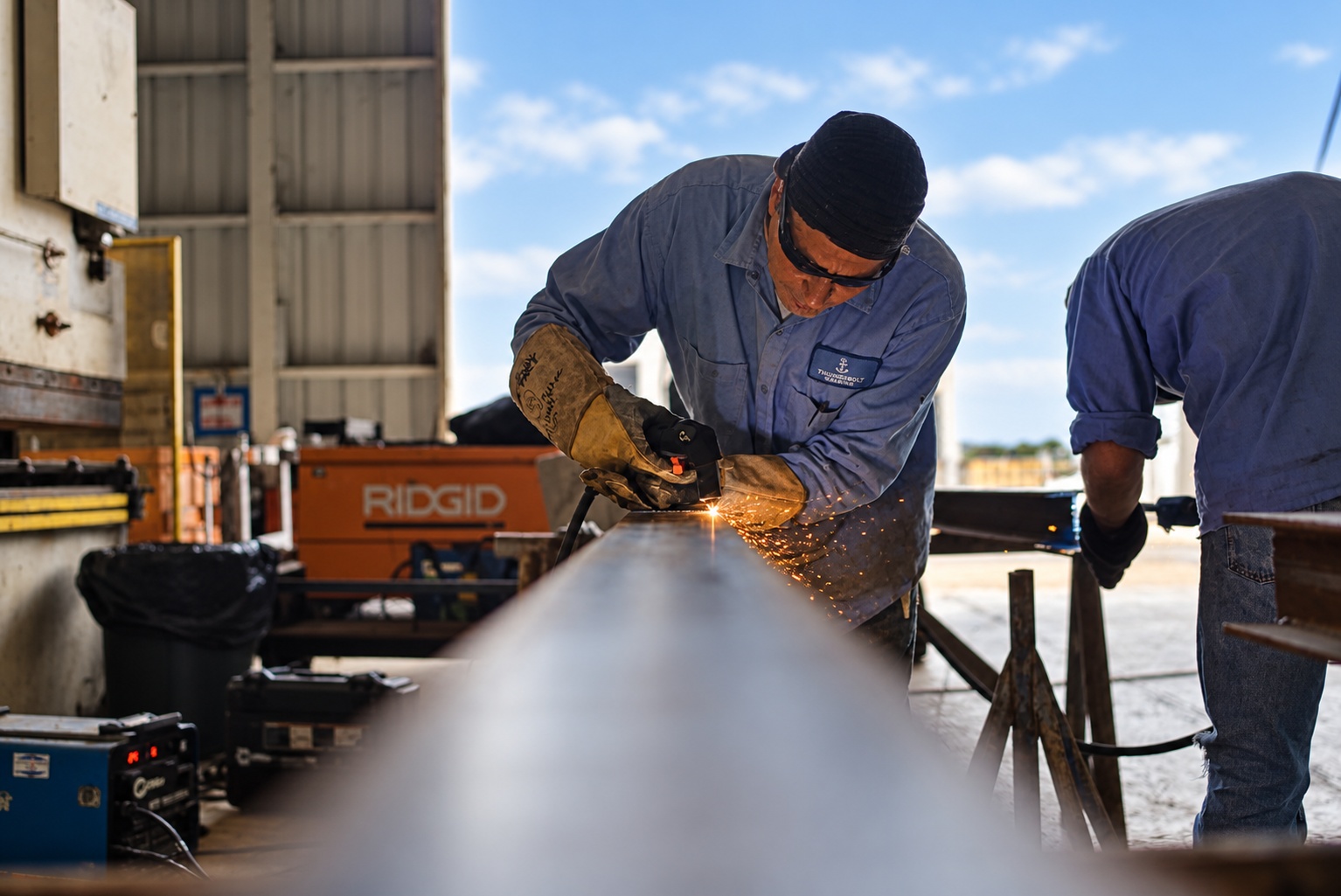
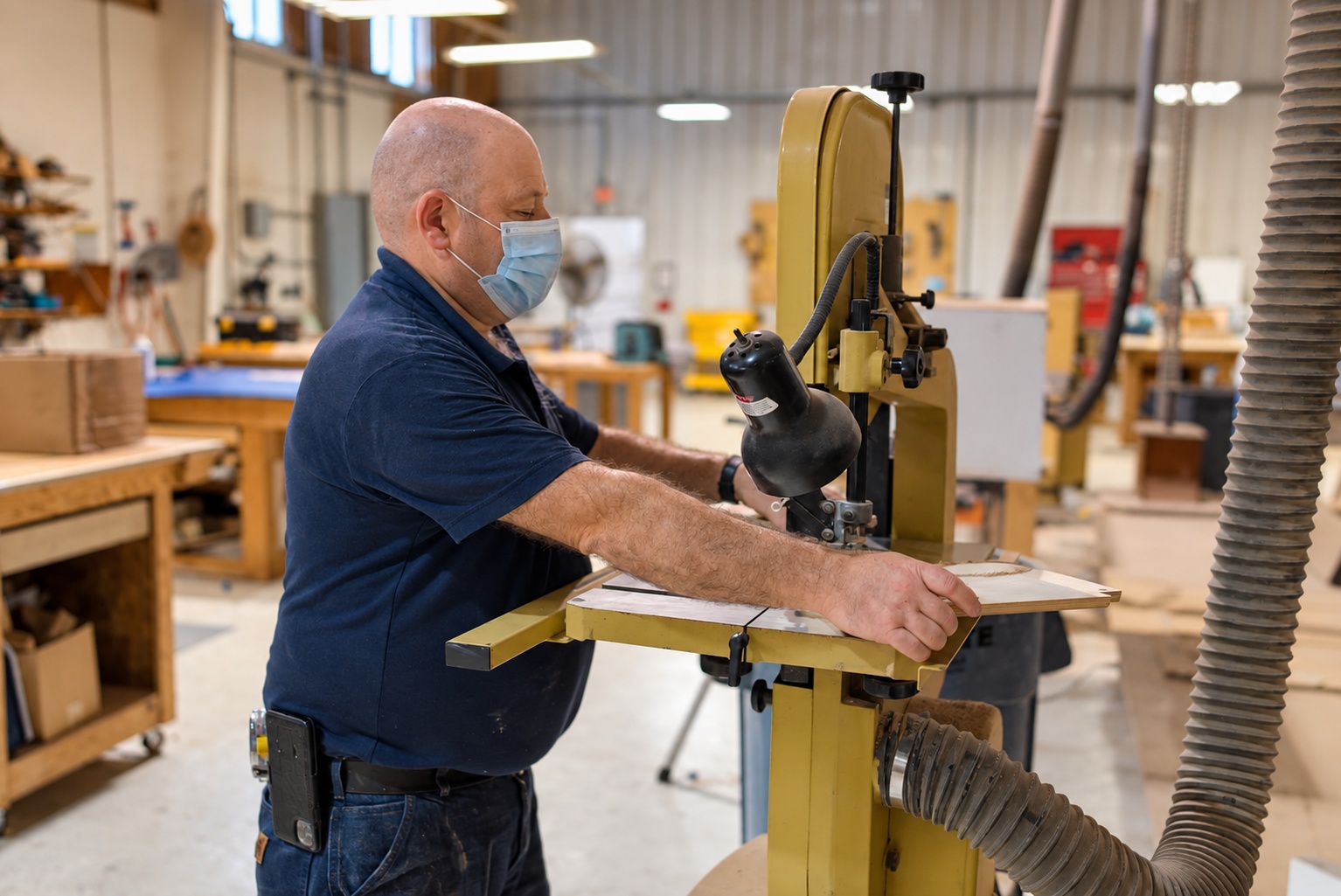
Lockheed Shipbuilding Company / Trinity Marine Group leased the yard for five years starting in 1986 to support construction of LCU Landing Craft Utility ships for the US Army. In 1992, Palmer Johnson Yachts leased the yard and accomplished yacht repair and refit projects until departing in September of 2003. In October, 2003, Bill Honey, the founder's son, resumed Thunderbolt Marine Inc.'s full service operations for yacht refit and repair. Yard facilities then and now, included an array of shops offering cabinetry, canvas & upholstery, electrical, electronic, fine finish, HVAC, hydraulic, joiner, machine, metal, paint, rigging and varnish shops. We have since upgraded our hauling capabilities to 1,200 tons by Syncrolift and 150 tons by Marine Travelift.
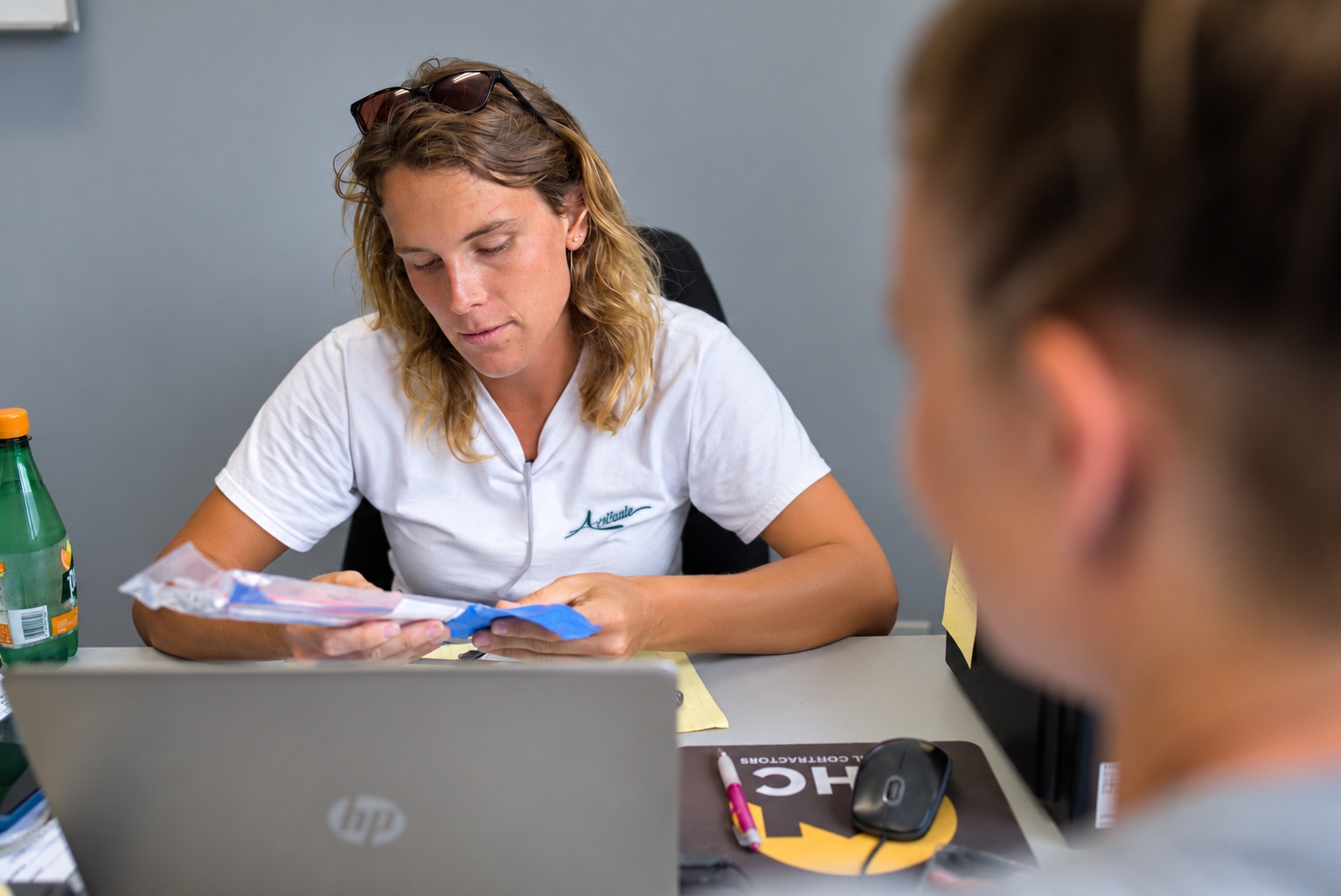
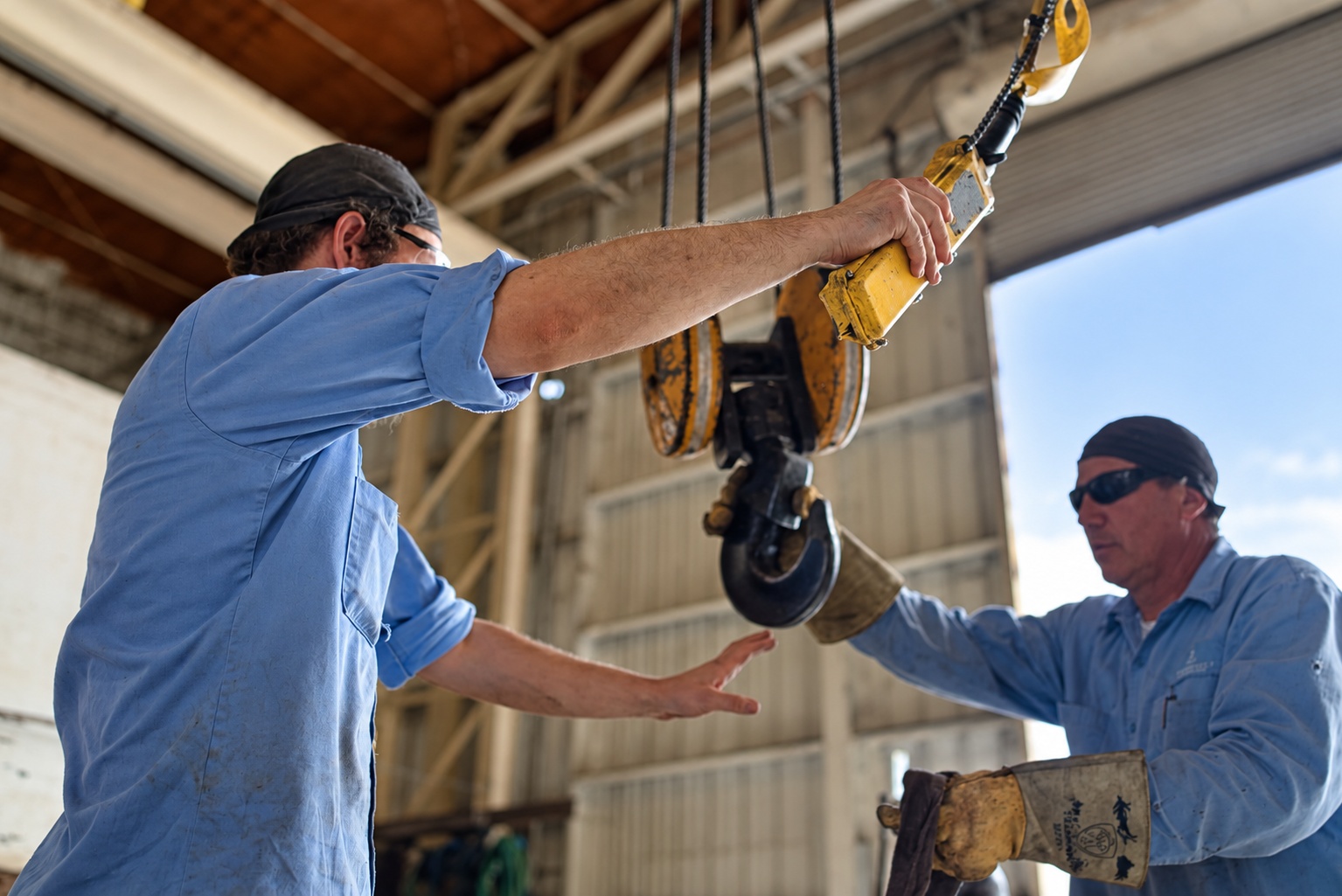
In 2009 TMI moved on-site shops and administrative offices to the newly renovated buildings on the north side of the yard, also adding new offices that now house HR and staff meetings. The move made way for demolition of all but one of the existing service buildings (now service bay 203). In 2010, construction began on our vessel service building including three fully enclosed service/prep bays and state-of-the-art spray booth. The completion of the rail transfer pit extension allows for extremely efficient movement of yachts when relocation is necessary between service bays, the spray booth and outdoor hard standing space.
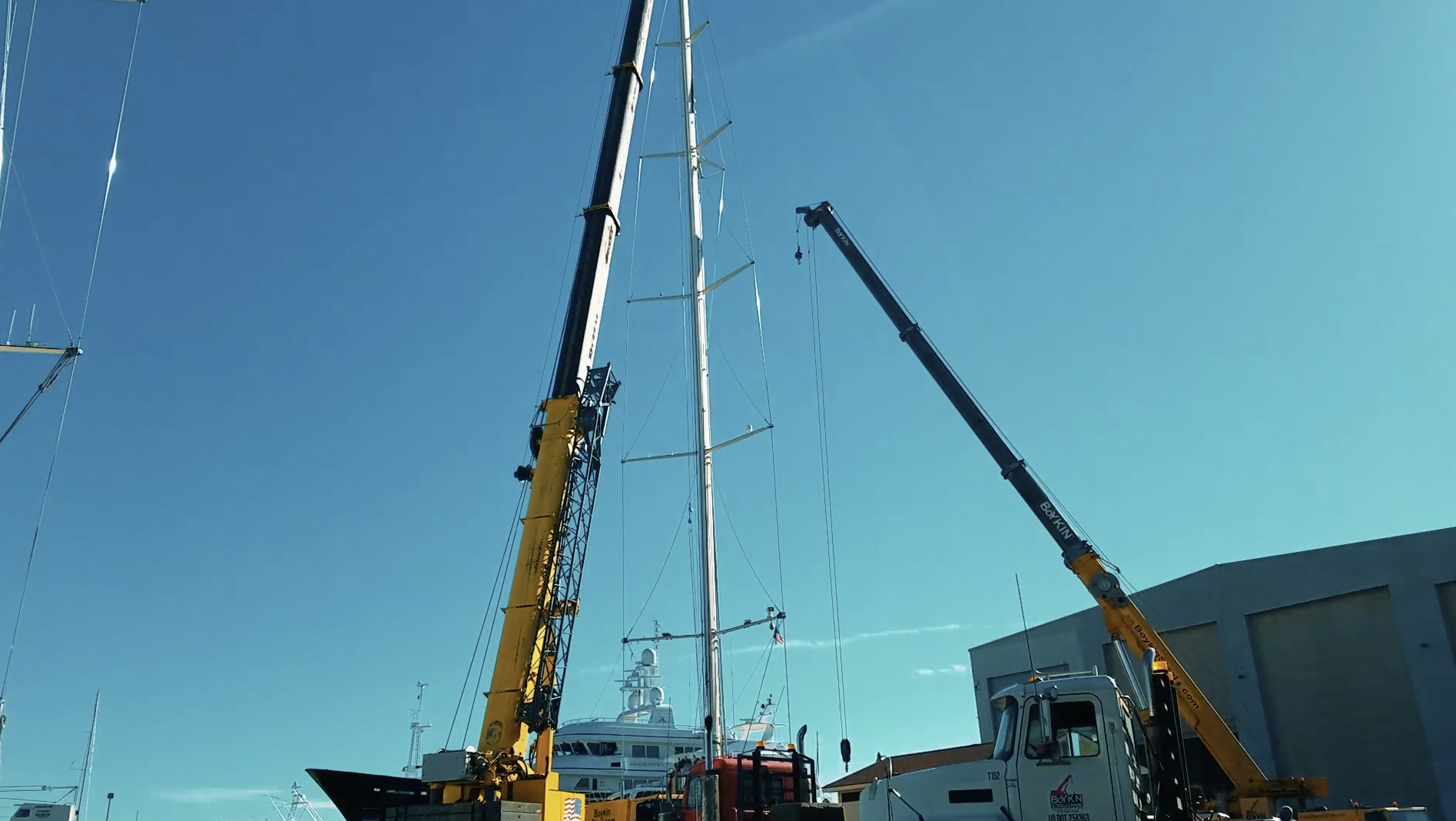
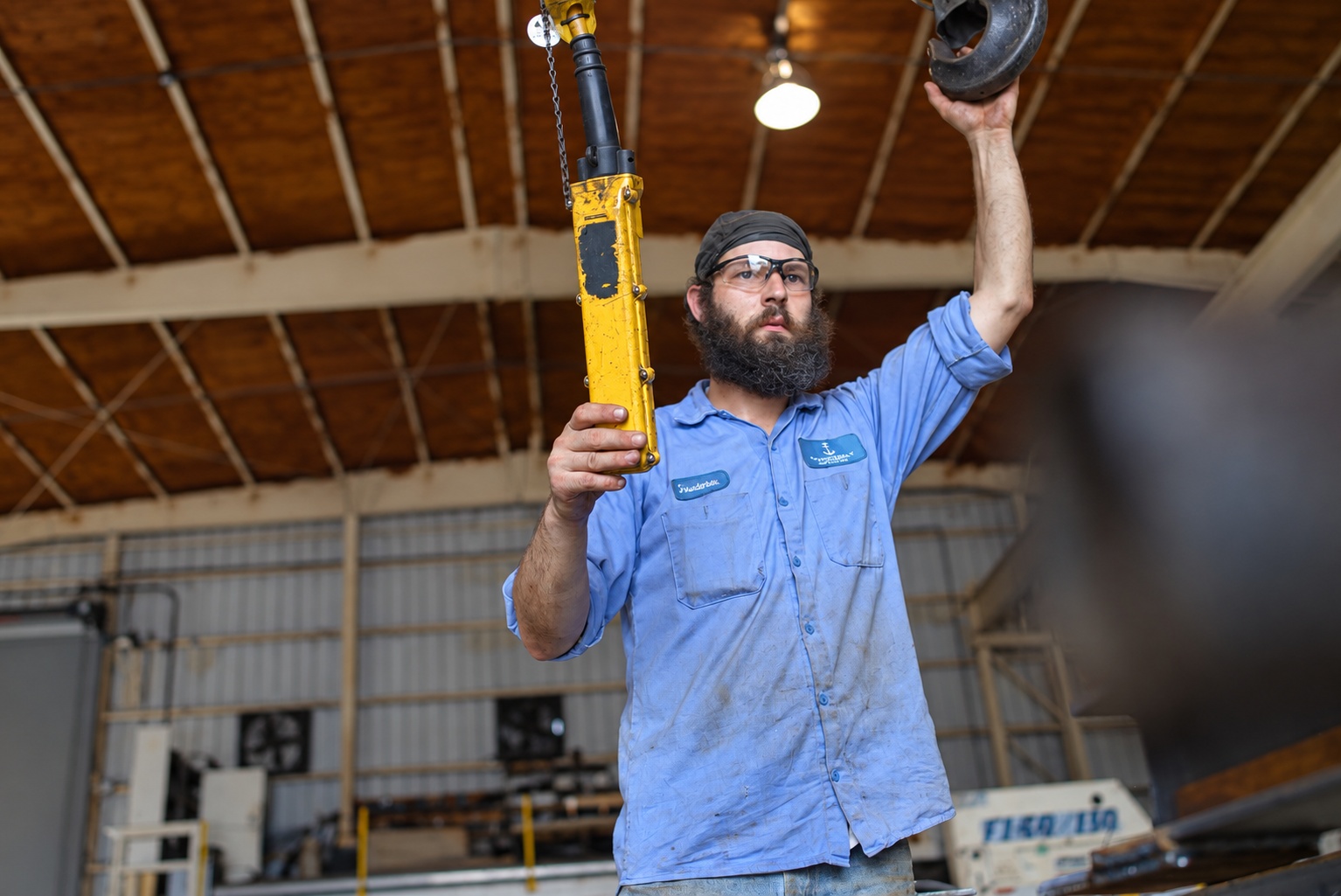
In 2015 we completed installation of overhead gantry cranes in all service bays. We relocated our canvas and upholstery shop to make room for the Crew Lounge, available to all active crewmembers of yachts at Thunderbolt Marine for service. As a working service yard, we understand that it's important to have a place to get off the boat for a while and we are happy to provide a space that is clean, comfortable and welcoming. We've converted a residence just across from our main gate into a space with a gym, lots of games including foosball and a pool table, lounge area, office, laundry and prep galley and lots of space. The large yard and deck out back has an outdoor kitchen, tables and a lounge area. We've subsequently increased the size of the gym space and brought in a few more pieces of equipment, added a stone patio to the screened outdoor space integrating an outdoor spa pool and shower.
In the years since, we've increased the size of our Interior Finishes & Varnish shop and Canvas & Upholstery shop, added three automotive size paint booths for painting and varnishing of small parts. We've added a new tug to our in water fleet of vessels ready to assist with docking or haulout if needed. Equipment additions of a 70Ton crane and CNC machine allow us to avoid outsourcing. We increased our floating docks to over 5300 linear feet in our service basin and marina.
Our facility upgrades continue in response to, and to accommodate, the needs and requirements of our customers whose satisfaction is key to our success.
Please see links below for a history of the property itself dating back to Ft. Thunderbolt in civil war time.
Historical Archives & Articles
Preserved historical stories and documents with original text, dates and context.
Learn About The History Of The Casino At Thunderbolt - 1895▼
The Casino at Thunderbolt was built in 1895 by the Savannah Electric Company to increase patronage on their streetcar lines to Thunderbolt. The tracks ran right up to the Casino, a large three-story frame building with expansive porches supported by white wood columns on all sides.
The porches and balconies provided shade in the summer and views in all directions, of the river, marshes and amusement park. There were two large pavilions on the north and south ends of the Casino. Broad staircases led to the main entrance, facing the bluff.
A pamphlet advertising the Casino could not have made it sound more enticing:
“To him who is on pleasure bent, the Casino and Park at Thunderbolt offer everything to be wished for. The Casino building is large, well-constructed and convenient, with spacious airy piazzas, a roomy and well ventilated auditorium, lighted by electricity, and cooled by electric fans, with a fine dancing floor, handsome stage and furnishings and the best orchestra in the county. Here is presented in the amusement season, vaudeville, comedy, minstrels, and comic opera. Dancing and moving pictures are furnished free for the pleasure of those who visit the resort.”
The Casino was one of the first establishments in the Savannah area to show movies. Ernest F. Schmitt, a long-time employee of the Savannah Electric Company, ran the projector. The above description emphasizes that the Casino was built not only to increase business on the streetcar lines but to promote the popularity of electricity, with movies, lights, and fans all running on electricity.
The grounds around the Casino were as exciting as the actual Casino facility. Built on parts of the Confederate battery, the site boasted two bandstands for concerts and dancing. One bandstand extended over the bluff onto a pier jutting over the Wilmington River. The second bandstand was a circular gazebo in the center of a large round duck pond west of the Casino. As at the Savannah Yacht Club, wood and cast iron benches lined the bluff overlooking the river.
The Casino grounds included an amusement park which further promoted the interests of the electric company with electrical rides and games including a merry-go-ride and miniature roller coaster. Additional entertainments included a thirty-acre zoo and a beer garden. In one post card image of the Casino, tightrope walkers are performing on a rope set up over the duck pond at almost twice the height of the Casino.
Learn About The Savannah Electric Company▼
The story of public transportation in Savannah began in 1869 with the formation of the Savannah-Skidaway and Seaboard Railway Company. This railway company started to provide inter-city streetcar service by connecting downtown Savannah with the Isle of Hope, Skidaway Island, Thunderbolt, Montgomery Cross Road and the White Bluff area. The first cars were drawn by one horse each and had room for twelve seated passengers. The cars were heated by wood stoves, lighted by kerosene lamps and the horses wore bells to warn traffic of their approach. When the streetcar system began operation, residents who were previously unable to afford transportation welcomed the opportunity to travel outside of Savannah for the purposes of residency, employment, and recreation.
In 1890, the first electric streetcar ran across the rails of the Savannah Street Railway. These streetcars were the marvel of the dawning electric age, and this form of transportation enabled Savannah to truly begin the extension of the city limits. As early as the turn of the last century, the streetcar barn was located on Gwinnett Street at Harmon where the current headquarters of the Chatham Area Transit Authority are now situated.
The coming of the twentieth century saw the consolidation of the major local railway properties under the newly created Savannah Electric Company which handled all lighting, power, and transit operations. The Savannah Electric Company constructed amusement parks and casinos at Thunderbolt and Isle of Hope so crowds would have some place to go. The casino at Thunderbolt housed comic opera, vaudeville and even moving picture shows.
The early streetcars were staffed by a motorman who stood on an open platform. He wore a heavy wool blue coat and trousers year round. There was no heat on board and the motorman stood in a cardboard box with rags wrapped around his feet to stay warm during the colder months. Passengers fared no better than the motorman as there was no heat in the streetcars.
World Class Paint Sheds (March 30, 2015 by Judy Salzman)▼
Article Date: March 30, 2015 | Author: Judy Salzman | Retained from live site (/blog/testing/)
Featured in Yacht Essentials (Jan-Feb Issue, PDF Pages 34-39).
Highlighted Thunderbolt Marine's world-class climate-controlled spray sheds and rail transfer system on the Wilmington River near Savannah, GA.